Search for brasssmile and you will quickly discover why this unusual name attracts curiosity. Some readers assume it describes a dental service or a smile-related product. Others encounter it while looking for online articles about business, money, health, travel or technology. The important detail is context: the name is widely associated with a general-interest publishing website rather than a recognized dental treatment.
This guide explains what the site actually offers, which topics readers can expect, how to judge the usefulness of its content, and why very similar domain names should not be confused with one another. Instead of repeating unsupported claims about a mysterious new product, we will focus on practical information that helps you browse with confidence.
What Is Brasssmile?
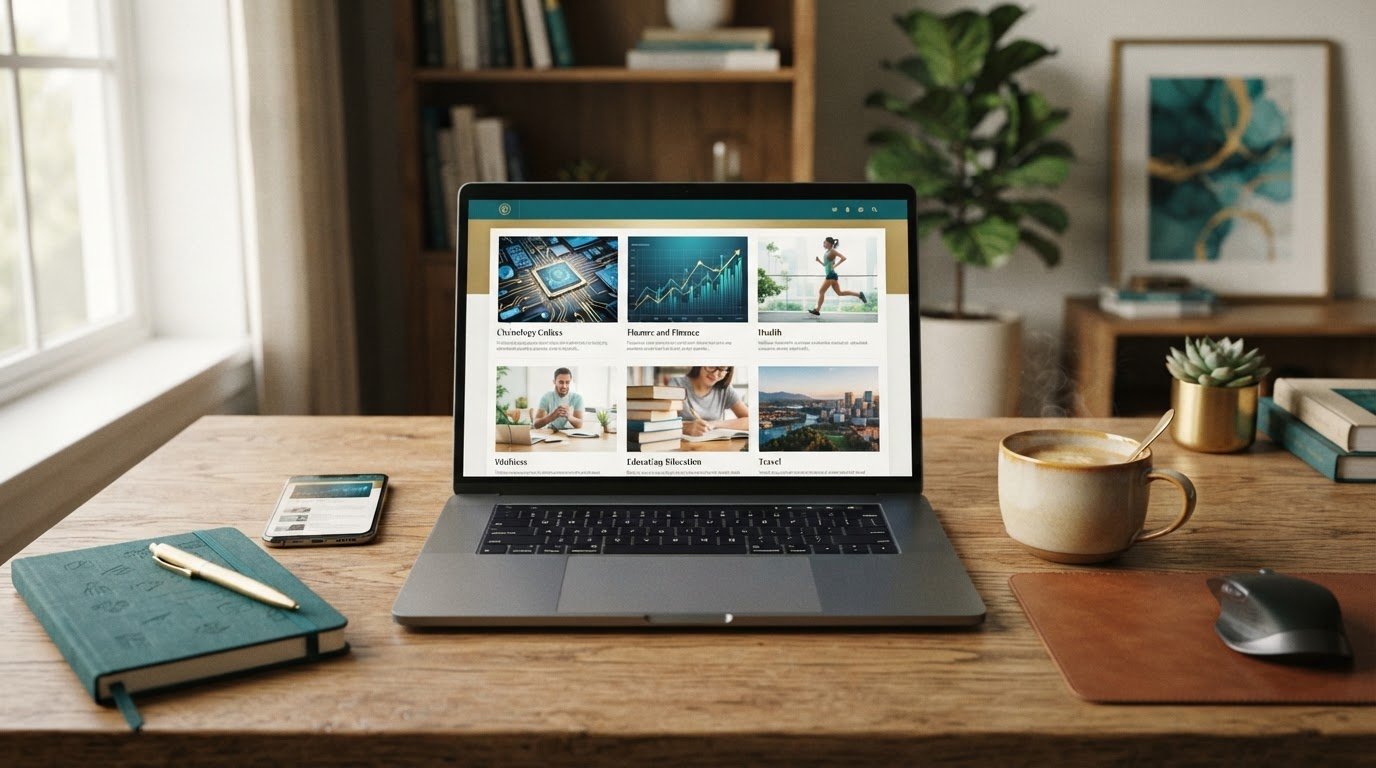
Brasssmile is most commonly used online as the name associated with Brasssmile.com, a website that publishes articles across several subjects. Its current public pages feature informational stories rather than a single specialized service. You can find pieces about personal finance, business decisions, health and dental care, travel planning, education and consumer technology.
In simple terms, think of it as an online magazine. A visitor might arrive through a search result about student laptops, then read a different post about household budgeting or oral hygiene. That wide editorial mix makes the publication useful for casual browsing, but individual articles should still be assessed on their own merits.
Brasssmile at a Glance
A quick overview helps separate the verified character of the website from interpretations based only on its name. The details below describe the general-interest publisher associated with the keyword, not every similarly named business or domain on the internet.
| Feature | What Readers Should Know |
|---|---|
| Primary association | Multi-topic informational publication |
| Main website commonly associated with the name | Brasssmile.com |
| Typical subjects | Business, finance, health, technology, education, lifestyle and travel |
| Primary content format | Articles, explanations and practical guides |
| Dental practice or booking service | Not presented as a dental clinic |
| Best use | General reading and introductory research |
| Important caution | Verify important claims against primary sources |
The website’s offerings and navigation can change as new articles are published. Always check the exact address, article date and author information when you need current advice. An attractive design or familiar brand name alone is not evidence that every article has been professionally reviewed.
Why Is the Name So Easy to Misunderstand?
The word combines sounds that suggest brass and smiling, which naturally leads to several interpretations. Someone might imagine teeth whitening, braces, jewelry charms, decorative brass artwork or a lifestyle brand. Online search results also collect unrelated businesses whose names use similar words.
But a brand name is not a dictionary definition. The most reliable approach is to look at the actual pages behind the domain. In this case, the content library and article categories reveal a broader online publishing focus. It would be inaccurate to call the keyword a medically recognized cosmetic procedure merely because the spelling contains the word smile.
When a brand name is ambiguous, the website’s actual content tells you more than the name alone.
What Topics Can You Explore?
One of the strongest characteristics of a multi-topic publication is variety. A reader does not need a single permanent interest to find something relevant. The same site can discuss financial decisions, practical technology, travel ideas and everyday health questions, often through short introductory explainers.
That variety also means specialist depth will differ from one article to another. A guide explaining basic budgeting terms serves a different purpose from a clinical recommendation or investment analysis. Readers should consider whether a post offers a clear answer, relevant context and trustworthy evidence before using it to make a decision.
Business and Personal Finance Coverage
Business-focused articles often discuss entrepreneurship, partnerships, decision making and the challenges companies face. Such content can give new readers a basic understanding of an unfamiliar term without requiring technical experience. The best pieces distinguish practical examples from broad promises about success.
Finance topics may cover saving, investing concepts, market comparisons or everyday budgeting. These subjects change over time, and the right decision depends on location and individual circumstances. Use general blog posts to build vocabulary, then confirm product terms, fees, tax rules and risks through official financial documents or qualified advisers.
Technology and Education Articles
Technology posts can help readers understand everyday digital choices, such as selecting a laptop, comparing specifications or making sense of an online service. Good technology writing explains how a feature works and why it matters, rather than merely repeating promotional language. Publication dates matter because products and software evolve quickly.
Education-oriented material may introduce learning techniques, academic questions or practical study tools. These pieces can be valuable entry points for beginners, especially when they define terms clearly and use relatable examples. For assignments or professional research, readers should supplement blog explanations with textbooks, institutional material and primary research.
Health, Dental Care and Wellness Topics
The site includes health-related reading, including dental care and everyday wellness. This likely explains why some people wrongly interpret the entire name as a dentistry brand. Articles about teeth, gums or aligners can be informative, but publishing such articles does not mean a website operates a clinic or provides an examination service.
Health decisions require particular care. Readers should look for medical references, publication dates, disclosed qualifications and reasonable descriptions of risks. Do not use a general-interest article to diagnose a condition or select a treatment without speaking to an appropriately qualified healthcare professional.
Lifestyle and Travel Inspiration
Lifestyle articles are often easier to browse casually. Topics may include personal habits, style, home routines and leisure ideas. A useful lifestyle guide gives specific, realistic suggestions while allowing room for different budgets, cultures and personal preferences.
Travel stories can offer itinerary ideas, seasonal suggestions and estimates of costs. Yet prices, entry requirements, transport timetables and operating hours change. Treat an appealing itinerary as a starting point; confirm bookings and official destination information before making financial commitments.
How Is a Multi-Topic Blog Different From a Specialist Website?
A specialist publication focuses deeply on one subject, while a general-interest website covers many. Both formats can be useful. Specialist sources may offer detailed testing, professional expertise or long-term topic coverage; broader publishers make it easier to discover new ideas and learn the basics of unfamiliar subjects.
The comparison below shows how to decide which type is best for a particular question. Neither category guarantees accuracy by itself. An expertly sourced general article can be more reliable than an unsupported specialist post, and the reverse can also be true.
| Reader Goal | General-Interest Blog | Specialist Source |
|---|---|---|
| Understand an unfamiliar term | Useful overview | Detailed technical background |
| Explore several subjects | Convenient variety | Usually narrow focus |
| Research a medical decision | Background only | Qualified clinical guidance needed |
| Compare current product specifications | Helpful introduction | Manufacturer documentation preferred |
| Follow changing laws or prices | May provide context | Official up-to-date source essential |
How to Find Useful Articles Without Wasting Time
Start by identifying the question you actually need answered. If you want to learn about a banking term, open the finance material rather than scrolling every section. Scan titles and introductions for clear relevance, then look for examples, citations, and an indication of when the article was written.
Do not assume the first search result is necessarily the strongest. Compare two or three articles when a topic matters to you. If sources disagree, trace the central claim back to an original document. This habit is especially valuable with online information about health, money, legal obligations and fast-changing technology.
A useful article should leave you better informed, not merely more impressed by confident wording.
Brasssmile Versus Similar Website Names
Small spelling differences in domain names matter. A name ending in an extra letter, or a different top-level domain, may lead to an unrelated website. That distinction is not just about branding; it can affect who publishes the content, what products are offered and which privacy policies apply.
For example, the separately spelled address brasssmile is not the same URL as Brasssmile.com. The former is included here as a related-name external reference, not as proof of common ownership, equivalent services or an official redirect. Its availability and editorial contents could not be independently confirmed during this review. Always inspect the complete domain before sharing information.
Is Brasssmile a Dental Treatment or Product?
There is no sound basis for presenting the name alone as a recognized dental treatment, new orthodontic method or specific consumer product. Some web pages use ambiguous terminology that makes a brand sound like a clinical innovation. Without clear definitions, professional recognition and supporting documentation, such descriptions should be treated cautiously.
If you are researching actual dental services, identify the precise treatment by its established name, such as clear aligners or professional whitening. Ask a licensed dental professional about suitability, costs, benefits and risks. Do not assume that any similarly named website is affiliated with a clinic.
How to Evaluate Credibility and Website Safety
A credible online article normally provides enough information for readers to examine important claims. Helpful signals include a visible publication date, named author where possible, specific references, sensible corrections and transparency about advertising or sponsorship. None of these signals independently proves accuracy, but together they support better judgment.
For website safety, verify the actual address, avoid entering sensitive information on unfamiliar pages, and read the privacy notice before subscribing or signing up. HTTPS protects data in transit, but it does not guarantee editorial quality or business legitimacy. Likewise, a polished design should never replace independent verification.
Who Should Read This Kind of Website?
A multi-category blog is suited to curious readers who enjoy practical explainers, introductory comparisons and a mixture of subjects. Someone exploring ideas for a new business, learning a financial phrase or looking for basic travel inspiration may find the format especially convenient.
It is less appropriate as the only source for decisions requiring specialized expertise. If an article could affect your health, legal rights, finances or safety, consider it introductory material and consult primary evidence or a qualified professional before acting.
Practical Tips for Getting Better Information Online
Make a habit of separating what a website says from what you can independently establish. Look for concrete facts, distinguish personal opinions from evidence, and pay attention to dates. A post that was useful six months ago may be outdated when it discusses software prices, tax rules or travel arrangements.
Keep a simple record of useful resources and return to publications that consistently explain topics clearly. For another practical technology explainer, read our earlier brasssmile recommended reading link, which leads to the Cadillac LYRIQ driving modes article. Comparing independent perspectives can help you spot gaps and avoid overconfidence.
Conclusion
Brasssmile is best understood in the context of the general-interest online publication associated with the name. It brings together informational articles across business, finance, health, technology, education, lifestyle and travel, giving readers a convenient place to start exploring unfamiliar topics. The name itself should not be mistaken for a validated dental technique or proof of a particular business service.
The key is to read critically. Check the domain carefully, verify time-sensitive claims, and use expert sources when decisions have meaningful consequences. With that approach, an accessible multi-topic website can become a helpful starting point without being treated as the final authority.
Frequently Asked Questions
These answers address the questions readers often ask when encountering the unusual name in search results. They are designed to clarify the website’s general purpose and the limits of what can be inferred from a similar domain name.
What does Brasssmile mean?
In the online publishing context, it refers primarily to the name associated with a general-interest article website. It is not an established medical term. The intended meaning depends on the particular website or context in which you encounter the word.
Is Brasssmile a dental clinic?
The general-interest publishing website associated with the keyword is not presented as a dental clinic. It may publish oral-health articles, but content about dentistry does not prove that the publisher provides clinical treatment or accepts patient bookings.
What kind of articles can readers find?
Readers can expect a mix of business, finance, health, technology, education, lifestyle and travel topics. The exact selection changes as new pieces are published, so browse the site’s current categories for the most accurate overview.
Are Brasssmile and Brasssmiley.com the same site?
No common ownership or affiliation has been established. They are different spellings and different domains. Always check the exact URL, publisher information and current contents instead of assuming that similar names identify the same organization.
Can I trust all the information on the website?
No website should be accepted uncritically. Evaluate claims article by article, looking at sources, dates, author expertise and whether key facts can be verified independently. Use official or professional guidance for high-stakes matters.
Does the keyword describe a special teeth-whitening product?
There is no verified basis for treating the term itself as a recognized whitening product or procedure. If a product uses a similar name, investigate that specific manufacturer, its ingredients, instructions and credible safety evidence separately.
Is the website useful for beginners?
General-interest explainers can be valuable for readers learning the basics of unfamiliar subjects. Clear definitions and practical examples make entry-level material approachable. More advanced questions may require textbooks, official documents or specialist research.
How do I know that I opened the right website?
Check the entire domain in your browser’s address bar, including spelling and extension. Review the About page, navigation and recent articles to see whether the content matches what you expected. Similar names alone do not establish a connection.
Are articles on finance or health a substitute for expert advice?
No. Such articles can help explain vocabulary and present general considerations, but individual circumstances vary. Consult a qualified professional and primary sources when making medical, investment, insurance or legal decisions.
About the Author